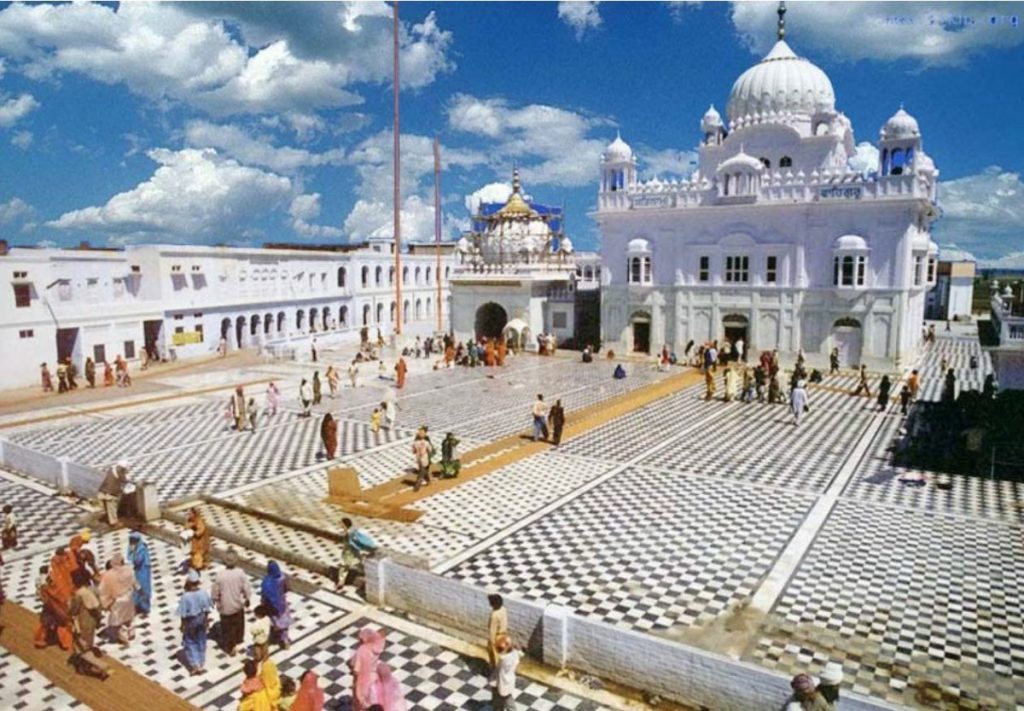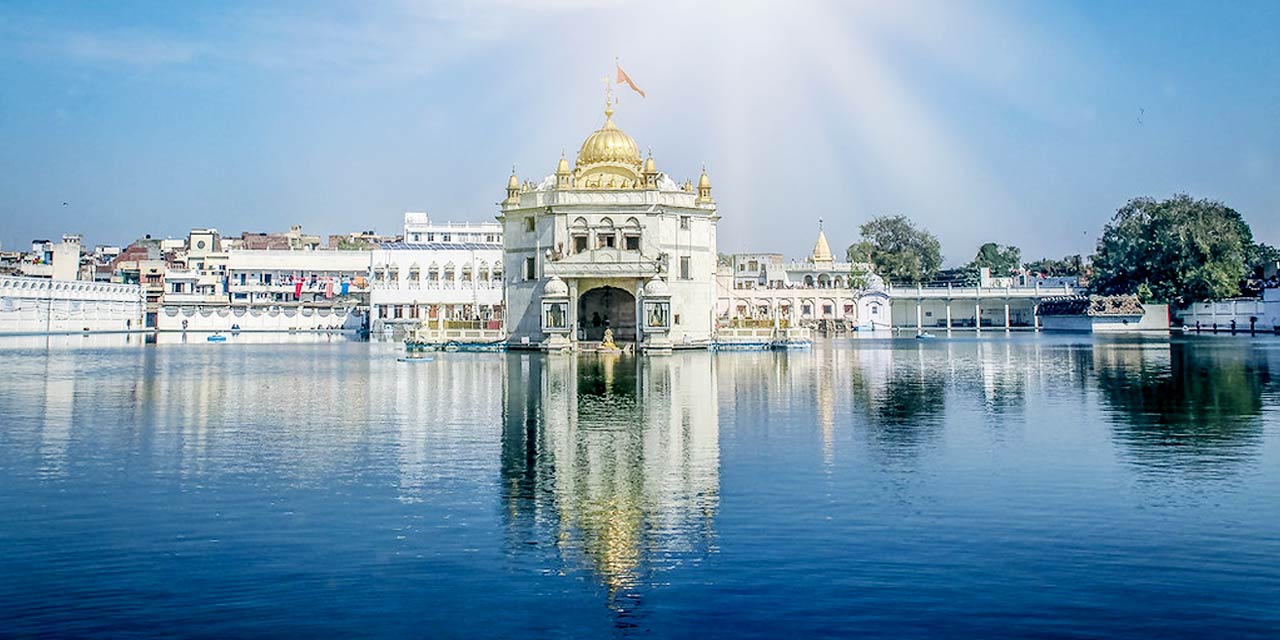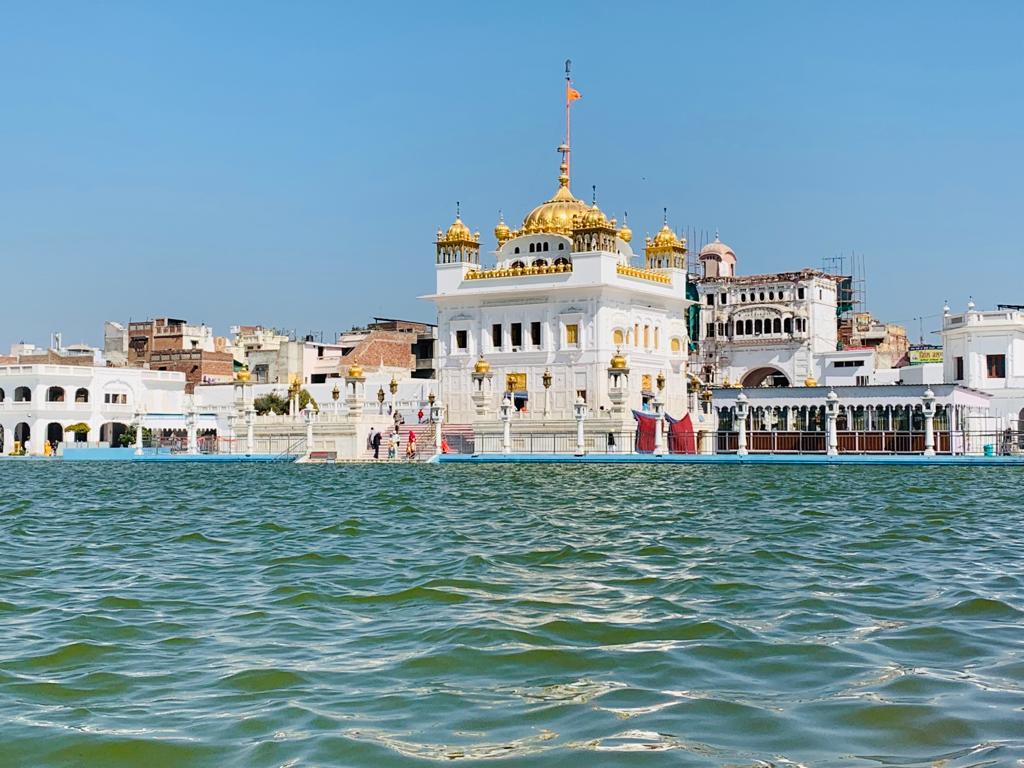
Gurudwara Tarn Taran Sahib, located just 6 KM from Hotel Royal Palace, is a revered Sikh pilgrimage site with a rich historical and spiritual significance. Built around the Sarovar (holy tank) that spans an impressive 220 meters, it is one of the largest in the world. The gurudwara was constructed by the fifth Sikh Guru, Guru Arjan Dev Ji, in the 16th century. Pilgrims are drawn to its serene surroundings, where the healing waters of the Sarovar are believed to have therapeutic properties. The architecture is a marvel, showcasing intricate Sikh artistry. The gurudwara holds a unique place in Sikh history, and its significance is heightened during festivals and religious gatherings. As a symbol of unity, faith, and cultural heritage, Gurudwara Tarn Taran Sahib is a must-visit destination for those seeking spiritual solace and a glimpse into Sikh traditions.
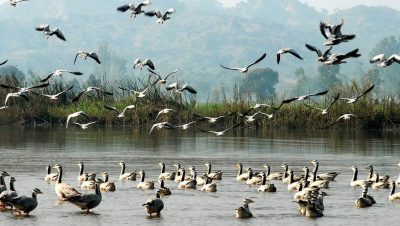
Nestled 24 KM from Hotel Royal Palace, the Harike Bird Sanctuary is a natural haven and a paradise for bird enthusiasts. Situated at the confluence of the Beas and Sutlej rivers, it is one of the largest wetlands in northern India. The sanctuary spans over 86 square kilometers and provides a vital habitat for a diverse range of avian species, both resident and migratory. Witness the spectacle of migratory birds during the winter months, including species like cranes, storks, and ducks. The tranquil landscape of Harike Bird Sanctuary offers a serene escape, ideal for nature lovers and photographers. Explore the wetland ecosystem, and experience the harmonious coexistence of flora and fauna in this biodiverse sanctuary, making it a must-visit destination for those seeking a peaceful retreat amidst nature’s wonders.
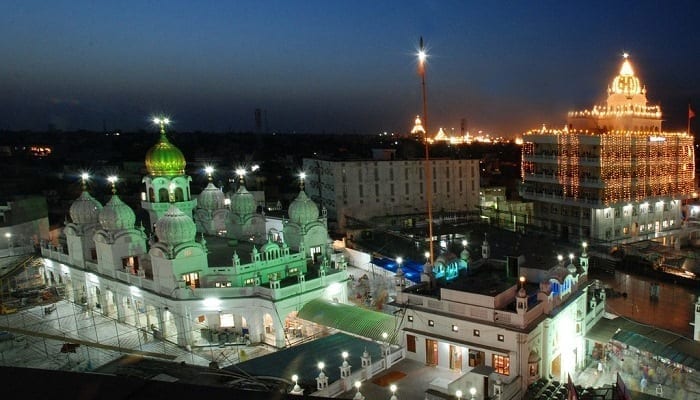
Situated 20 KM from Hotel Royal Palace, Gurudwara Goindwal Sahib holds immense historical and spiritual significance in Sikhism. Constructed by Guru Amar Das Ji, the third Sikh Guru, this sacred site is renowned for its distinctive 84 steps leading down to the river, symbolizing the 84 lakh life forms and emphasizing salvation through meditation. Pilgrims believe that reciting the Japji Sahib on each step brings spiritual enlightenment. The serene ambiance and the holy river Beas flowing nearby create a tranquil setting for prayer and reflection, making Gurudwara Goindwal Sahib a revered destination for seekers of spiritual solace and Sikh heritage.
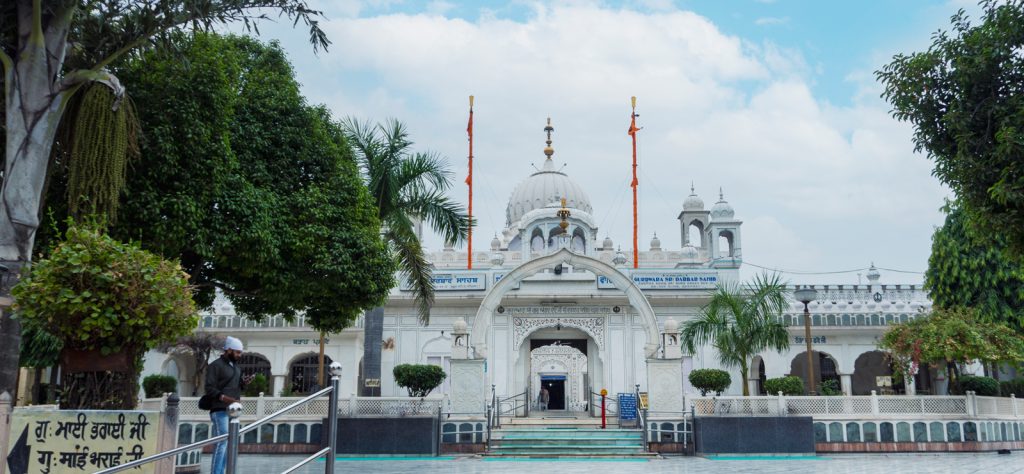
Located 15 KM from Hotel Royal Palace, Gurudwara Khadoor Sahib holds profound historical importance in Sikhism. Established in honor of Guru Angad Dev Ji, the second Sikh Guru, it stands as a testament to the Guru’s teachings and contributions. The site is where Guru Angad Dev Ji spent much of his early life and disseminated spiritual wisdom. Pilgrims are drawn to the serene surroundings and the sacred sarovar (pool) within the gurudwara complex. Gurudwara Khadoor Sahib is not only a revered pilgrimage site but also a place of deep cultural and historical significance, offering visitors a profound connection to Sikh heritage.
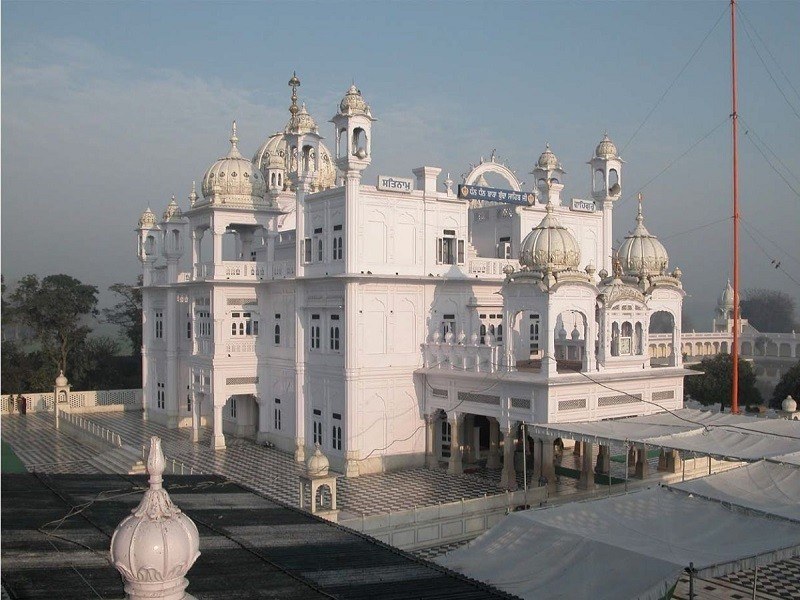
Baba Deep Singh Ji is revered in Sikh history for his valiant sacrifice during the Battle of Amritsar in 1757. “Gurdwara Shaheed Baba Deep Singh Ji” in Amritsar, commonly known as “Shaheedan Sahib,” commemorates his unwavering devotion and bravery. Baba Deep Singh Ji, despite severe injuries, continued to advance towards the Golden Temple with his head held on his palm, fulfilling his vow to protect the sanctity of the holy site. The gurdwara stands as a tribute to Baba Deep Singh Ji’s indomitable spirit and remains a significant pilgrimage site, symbolizing selfless sacrifice and devotion in Sikhism.
Baba Budha Sahib, situated 20 KM from Hotel Royal Palace, holds immense significance in Sikh history. A revered Sikh saint, Baba Budha Ji was the first head granthi of the Golden Temple and had a profound association with Guru Nanak Dev Ji, Guru Angad Dev Ji, and several succeeding Sikh Gurus. His humble dwelling, marked by the sacred Ber tree, serves as a homage site. Pilgrims seek blessings and connect with the rich legacy of Baba Budha Ji, recognizing his pivotal role in the early development of Sikhism. The gurdwara stands as a testament to his spiritual contributions and devout service.
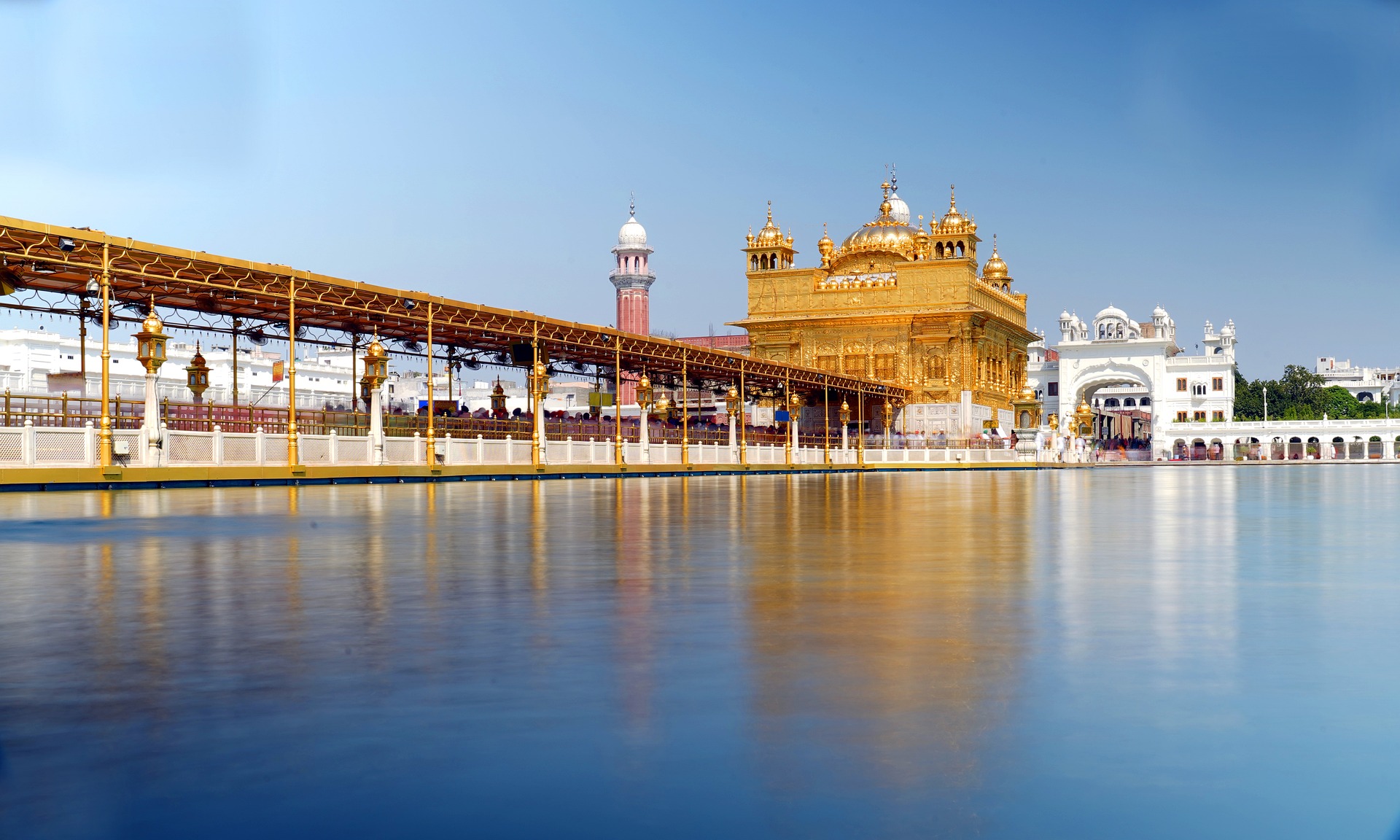
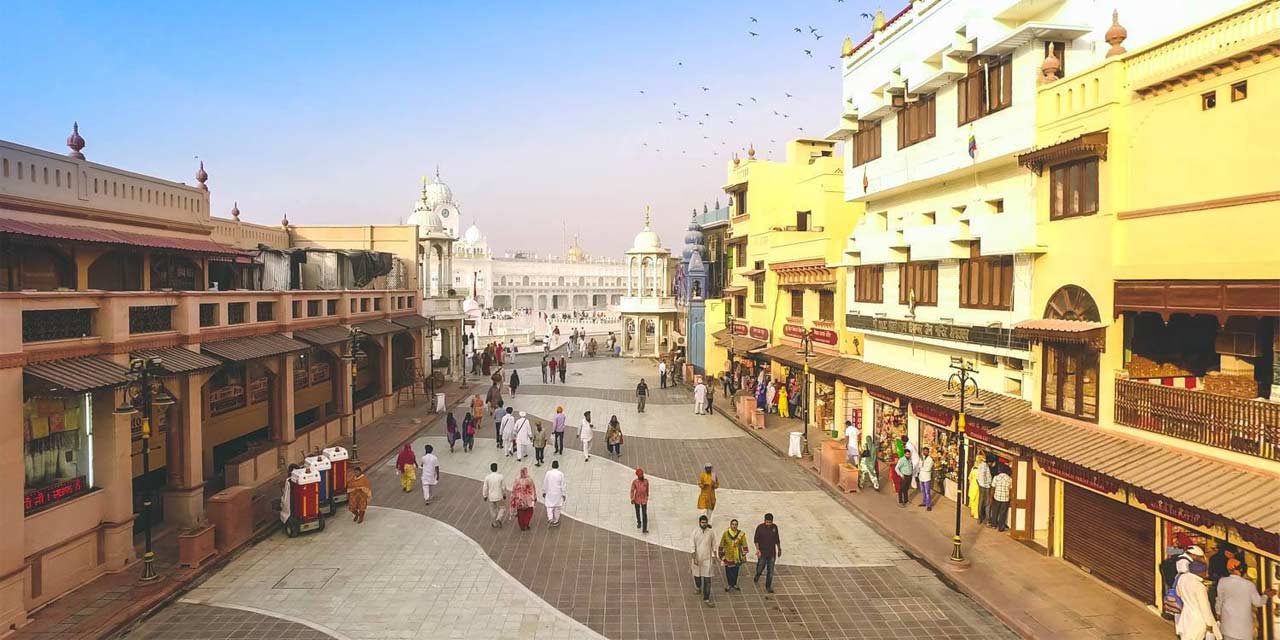
The Golden Temple (Harmandir Sahib) in Amritsar is the holiest Sikh gurdwara and a symbol of spiritual and historical significance. Founded by Guru Ram Das in the 16th century, it features a gold-plated structure surrounded by the sacred Amrit Sarovar (Pool of Nectar). Open to all, it exemplifies Sikhism's values of equality and service. The temple complex also houses the Akal Takht, the highest seat of earthly authority for Sikhs, making it a revered pilgrimage site.
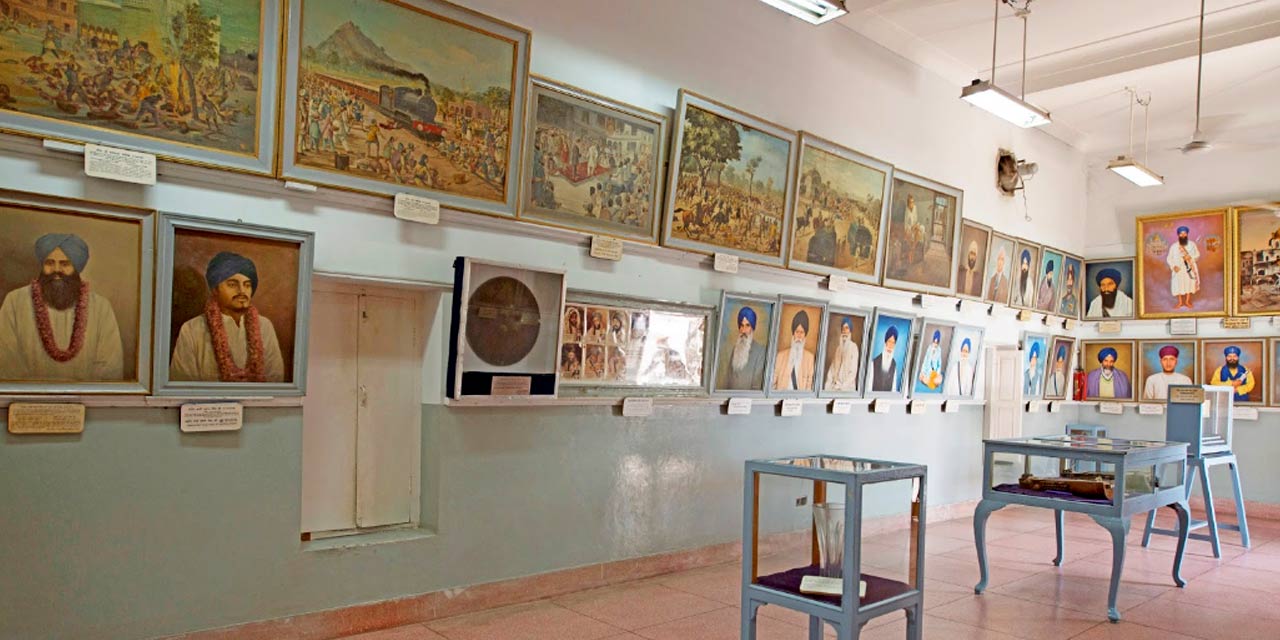
The Central Sikh Museum, located within the Golden Temple complex in Amritsar, houses a rich collection of Sikh history, art, and relics. Established to honor the legacy of Sikh Gurus, martyrs, and leaders, the museum displays portraits, manuscripts, and historical weapons. It provides insight into the Sikh faith's struggles, especially during the Mughal and British periods. Visitors can explore the inspiring stories of bravery, sacrifice, and the religious heritage that have shaped Sikhism over centuries.
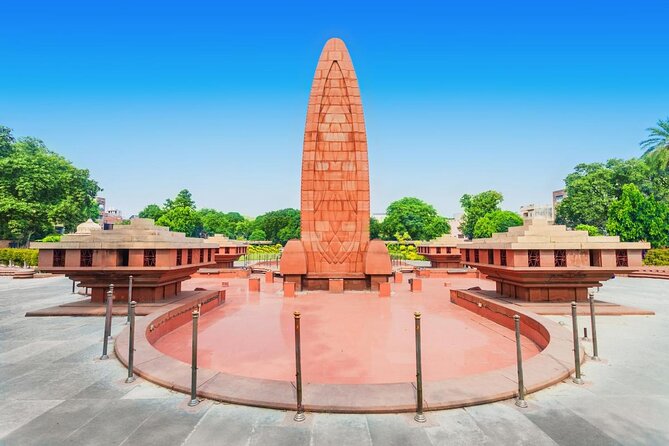
Jallianwala Bagh, located near the Golden Temple in Amritsar, is a public garden memorializing one of the darkest events in Indian history. On April 13, 1919, British troops, under General Dyer, opened fire on thousands of unarmed Indians gathered peacefully, killing hundreds. This massacre became a turning point in India’s struggle for independence. The site now features a memorial, including bullet marks and a well where people jumped to escape, serving as a solemn reminder of the tragedy.
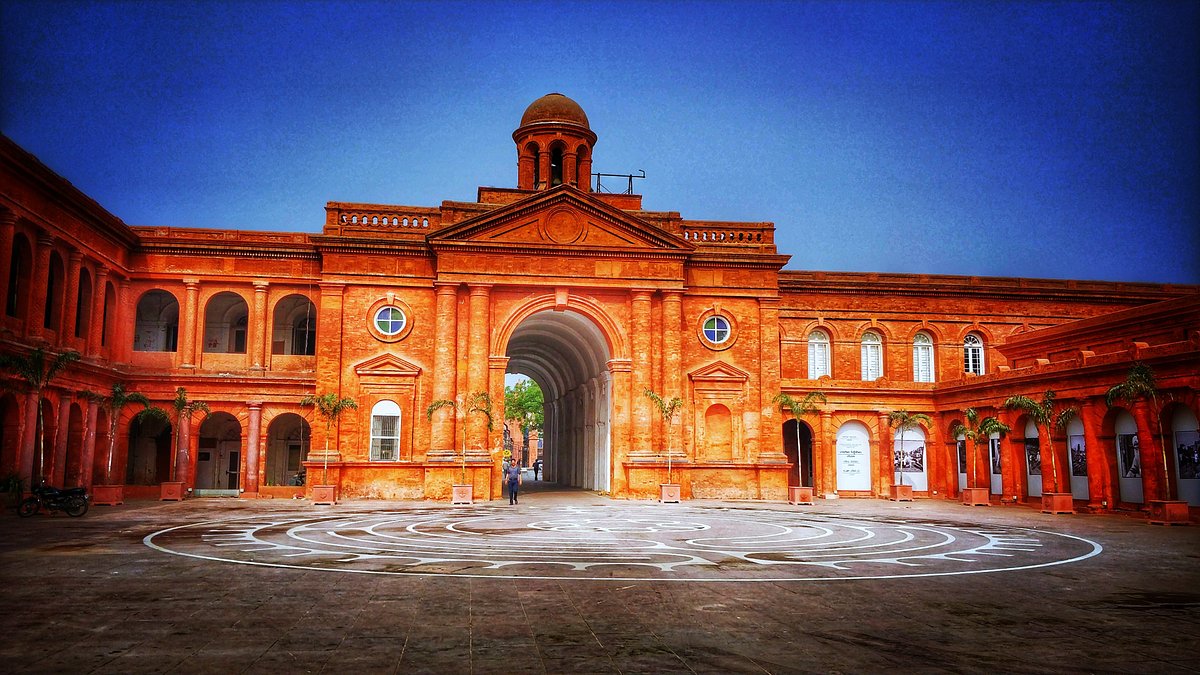
The Partition Museum in Amritsar is dedicated to preserving the history and stories of the Partition of India in 1947, one of the largest mass migrations in human history. Located in Town Hall, it showcases personal accounts, artifacts, and documents that reflect the pain, trauma, and resilience of millions affected by the division of India and Pakistan. Through exhibits on migration, violence, and resettlement, the museum provides a poignant insight into this defining event in South Asian history.
With a spirit of innovation, we navigate uncharted territories, exploring new ideas, technologies, and approaches. It is through our willingness to challenge conventions and think beyond boundaries that we discover innovative solutions that propel us forward.
Ram Bagh Gate is a historic entrance that leads to the Ram Bagh Gardens in Amritsar, originally built by Maharaja Ranjit Singh, the founder of the Sikh Empire. The gate is part of the larger Ram Bagh complex, named after Guru Ram Das, the fourth Sikh Guru. The gardens were once the royal retreat of the Maharaja, and the gate served as a majestic entry to the lush greenery and the Ram Bagh Palace, reflecting the architectural grandeur of the era.
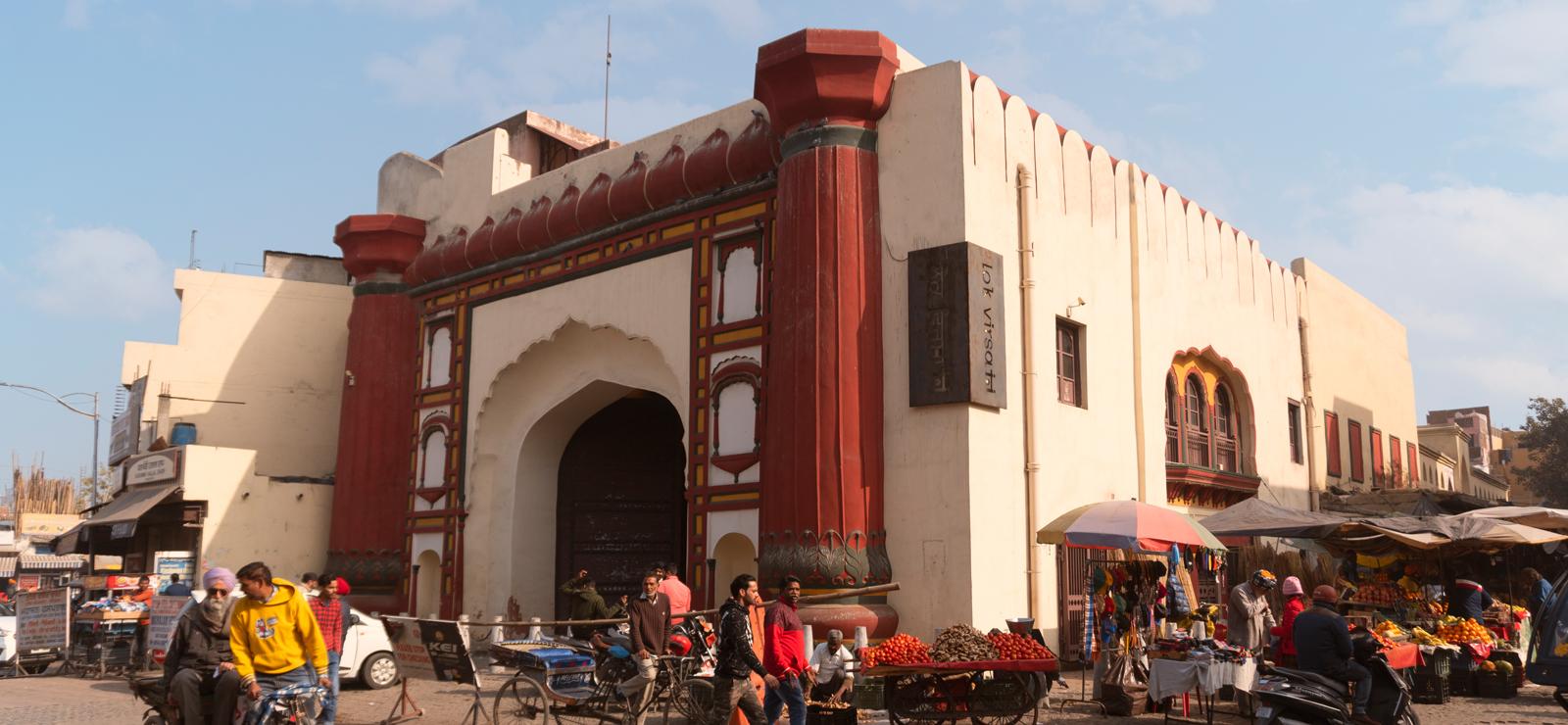
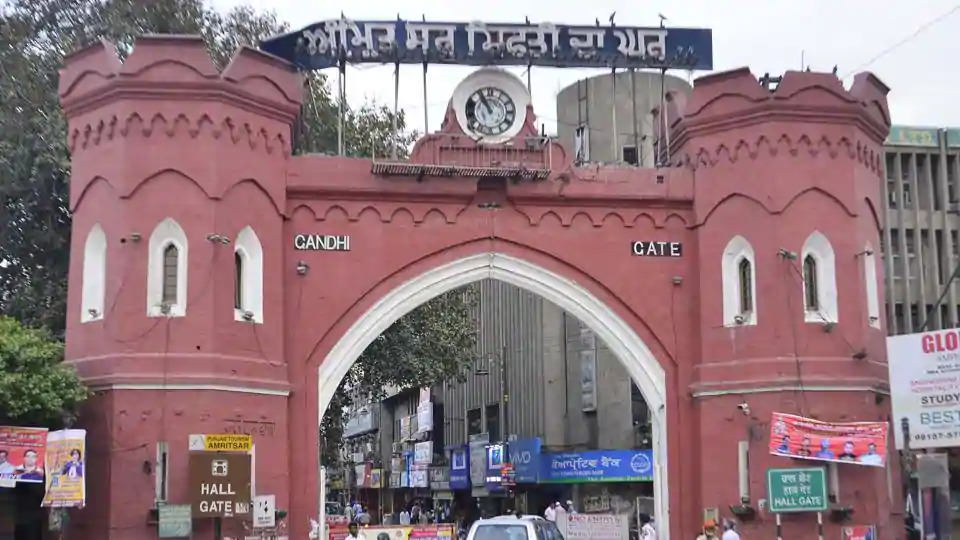
Hall Bazar is a lively market in Amritsar, renowned for its diverse offerings, including traditional clothing, handicrafts, and vibrant street food. Adjacent to the bazar is Katra Jaimal Singh, a bustling shopping area known for textiles and jewelry. Nearby, the Gurudwara Guru Ka Mahal provides a spiritual respite with its serene ambiance. The Golden Temple is just a short distance away, making Hall Bazar an ideal starting point for exploring Amritsar’s rich culture and heritage.
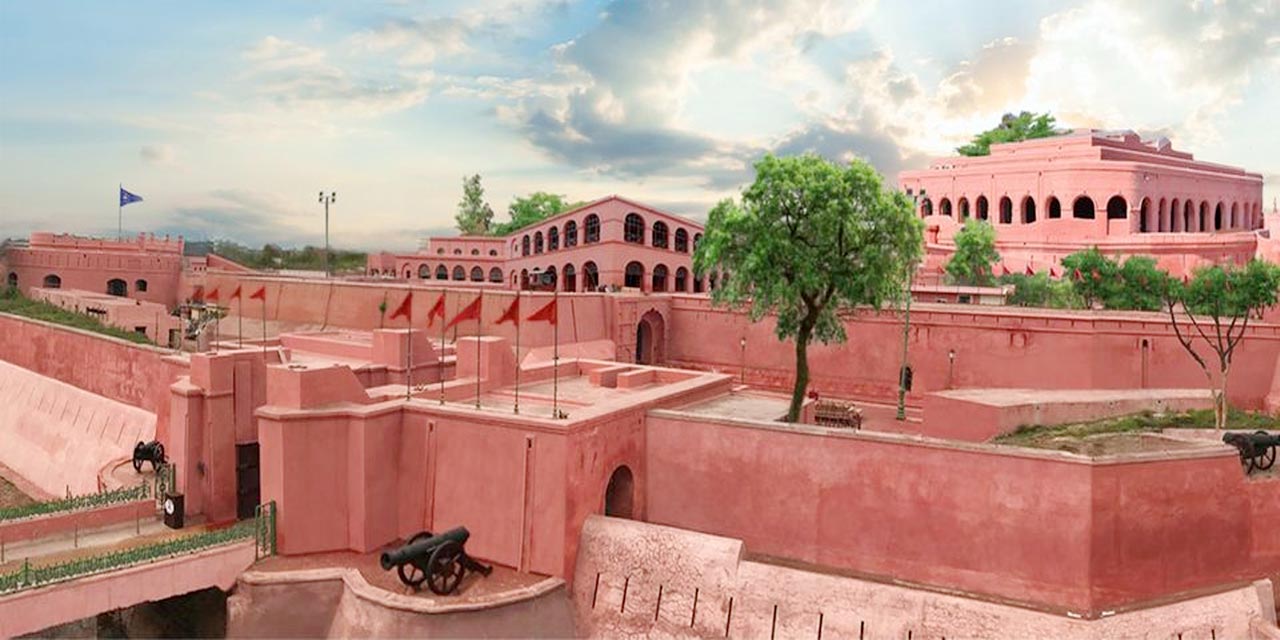
**Gobindgarh Fort** is a historic military fort in Amritsar, originally built in the 18th century by Maharaja Ranjit Singh. It served as a strategic defense point and a royal residence. Now transformed into a cultural complex, the fort features museums, galleries, and live performances showcasing Punjabi culture and history. Visitors can explore its impressive architecture, including the iconic iron gates, and learn about the fort's significance during the Sikh Empire, making it a popular tourist destination.
The Durgiana Temple, situated in Amritsar, is a prominent Hindu temple dedicated to Goddess Durga. Built in the early 20th century, its architecture resembles that of the Golden Temple, featuring a striking white marble façade and a gold-plated dome. Surrounded by a sacred pond, the temple attracts devotees and tourists alike. Renowned for its vibrant festivals and religious significance, Durgiana Temple offers a peaceful ambiance and is a symbol of the rich cultural heritage of the region.
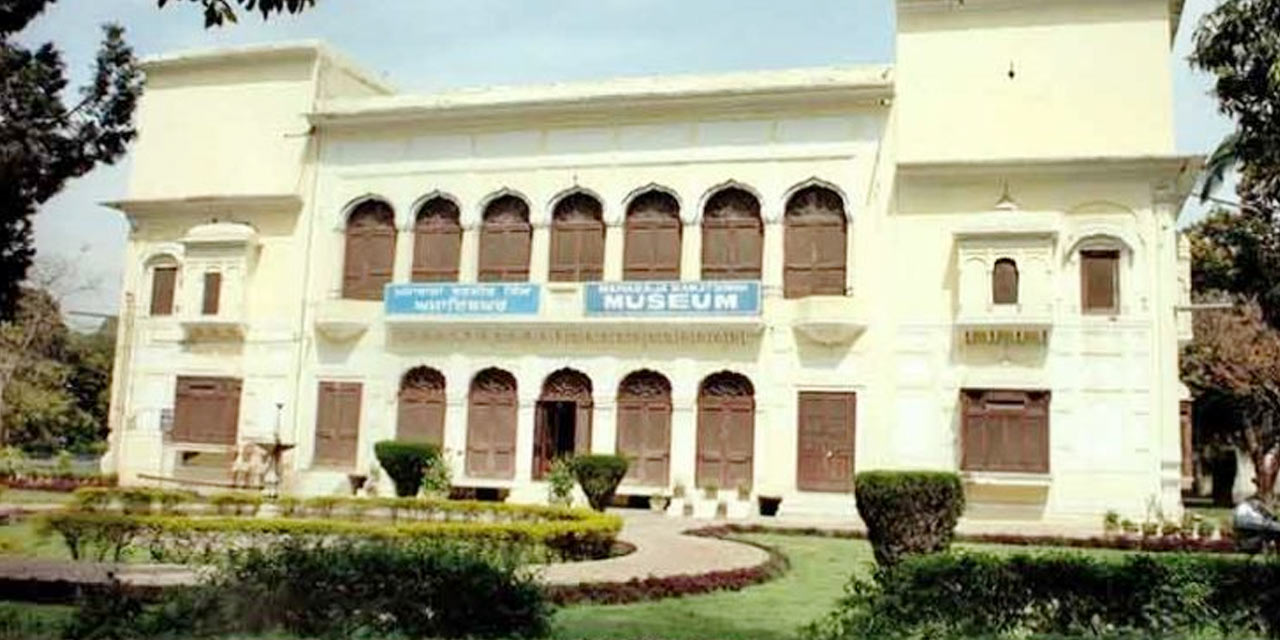
The Maharaja Ranjit Singh Museum and Panorama in Amritsar is dedicated to the life and legacy of the founder of the Sikh Empire, Maharaja Ranjit Singh. Housed in the former summer palace of the Maharaja, the museum features a collection of artifacts, paintings, and historical documents that depict his reign and contributions. The Panorama offers a 360-degree visual representation of key events in Sikh history, providing visitors with a vivid and immersive experience of the rich cultural heritage.
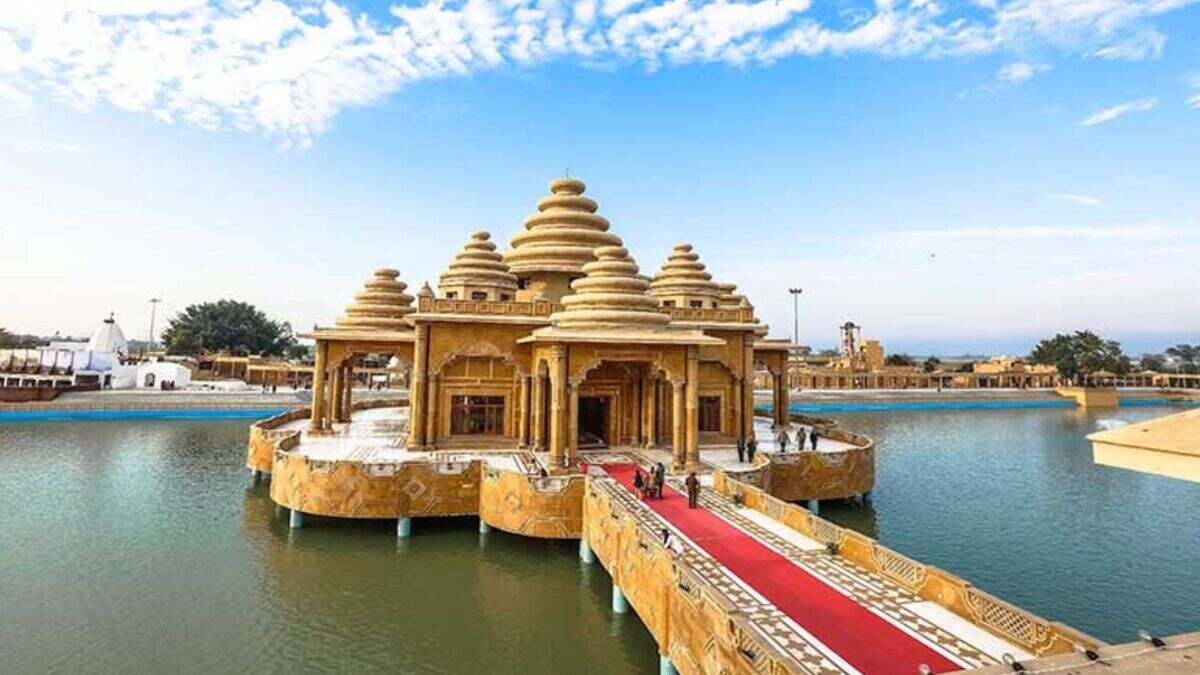
Shri Ram Tirath is a revered pilgrimage site located about 11 kilometers from Amritsar, associated with the legend of Lord Rama and his wife, Sita. This sacred spot features a historic tank, believed to be where Sita performed rituals during her exile. The complex includes several temples, with the main shrine dedicated to Sita and a memorial to the sage Valmiki, the author of the Ramayana. Ram Tirath attracts devotees seeking blessings and offers a tranquil environment steeped in mythology.
Sada Pind in Amritsar is a vibrant cultural village that showcases traditional Punjabi lifestyle and heritage. Designed as a living museum, it features authentic mud houses, lush gardens, and farm animals, providing visitors with an immersive experience of rural Punjab. Guests can enjoy folk performances, traditional cuisine, and handicraft demonstrations, highlighting the rich cultural tapestry of the region. Sada Pind serves as a unique venue for events, allowing visitors to connect with Punjab's history and vibrant traditions.
The Punjab State War Heroes Memorial and Museum in Amritsar is a poignant tribute to the valor and sacrifices of the armed forces from Punjab. Inaugurated in 2019, the museum features exhibitions showcasing military artifacts, photographs, and memorabilia that highlight the contributions of soldiers in various conflicts. The memorial includes beautifully landscaped gardens and a war memorial monument, creating a serene atmosphere for reflection. This site serves to educate visitors about the rich military heritage of Punjab and honor its heroes.
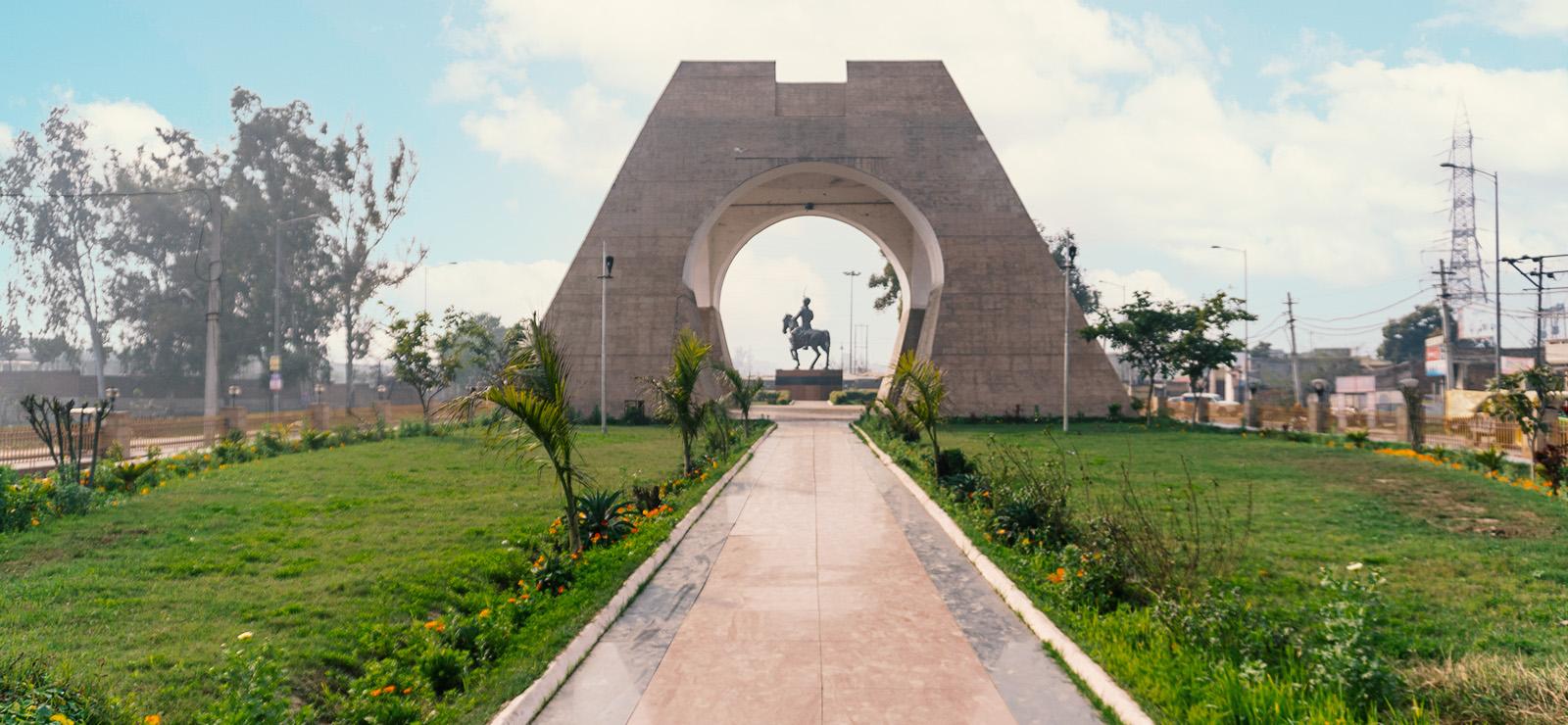
India Gate Chheharta is a significant war memorial located in Amritsar, dedicated to the soldiers who fought for India during World War I. This grand archway, inspired by the original India Gate in New Delhi, stands as a tribute to the bravery and sacrifice of the Indian forces. Surrounded by beautifully landscaped gardens, it serves as a peaceful space for reflection and remembrance. The site attracts visitors and locals alike, honoring the legacy of those who served the nation.
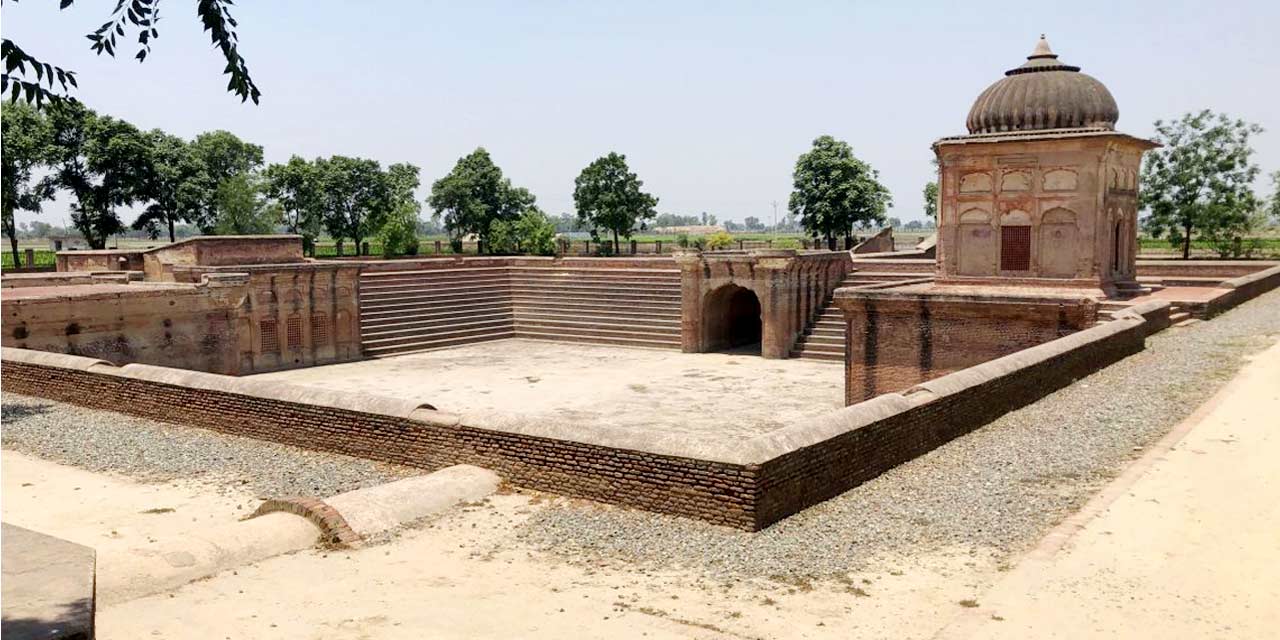
Pul Kanjri is a historic site located near Amritsar, associated with Maharaja Ranjit Singh, the founder of the Sikh Empire. Legend has it that the Maharaja built the beautiful stepwell here to quench the thirst of a young dancer named "Kanjri," who lived in the area. The site features remnants of ancient architecture and a serene setting, making it a popular spot for visitors. Pul Kanjri serves as a reminder of the Maharaja’s love and generosity, reflecting Punjab's rich heritage.
The Wagah Border is the ceremonial border between India and Pakistan, located about 30 kilometers from Amritsar. It is famous for the daily flag-lowering ceremony, a spectacular display of patriotism performed by soldiers from both nations. Thousands of spectators gather to witness this vibrant event, which showcases elaborate marches and dramatic gestures. The Wagah Border symbolizes both the tension and camaraderie between the two countries, making it a popular tourist attraction and a poignant reminder of the region's historical significance.